Thunderstorms, thunder, floods: what looked like a real weather storm sweeping over Linz was in fact a sound and light show. On 12 September, around 90,000 visitors experienced the 26th edition of the Linz Klangwolke, ATTheENDLinz, presented by SPARKASSE OÖ and LINZ AG. An acoustically and visually created apocalyptic scenario awaited them, staged so convincingly that it felt real. As every year, the best spots on the banks of the Danube were reserved for the general public, with free admission.
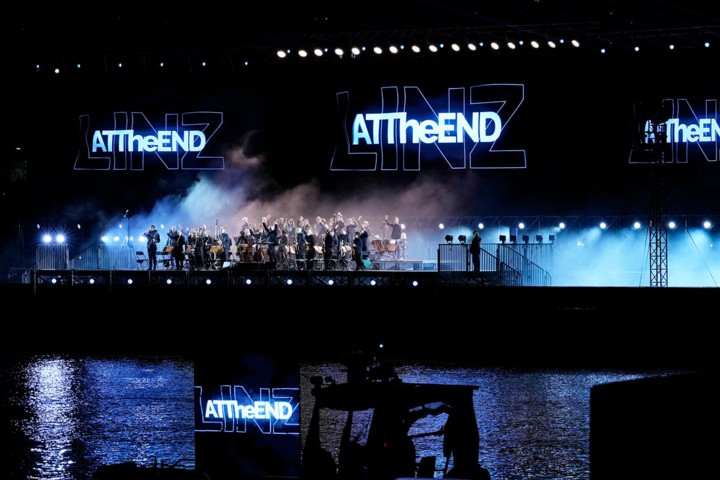
The evening began with images of a resplendent Linz. Accompanying these, the St Florian Boys’ Choir sang Bruckner’s »Locus iste« from the roof of the Brucknerhaus, before fire, floods, sandstorms and explosions engulfed the city on the projection screens. Tsunami waves rolled across historic squares and bridges. The Bruckner Orchestra Linz, conducted by Markus Poschner, sailed in on a 70-metre-long barge featuring a 17-metre-high projection screen and performed music from Bruckner’s 9th Symphony.
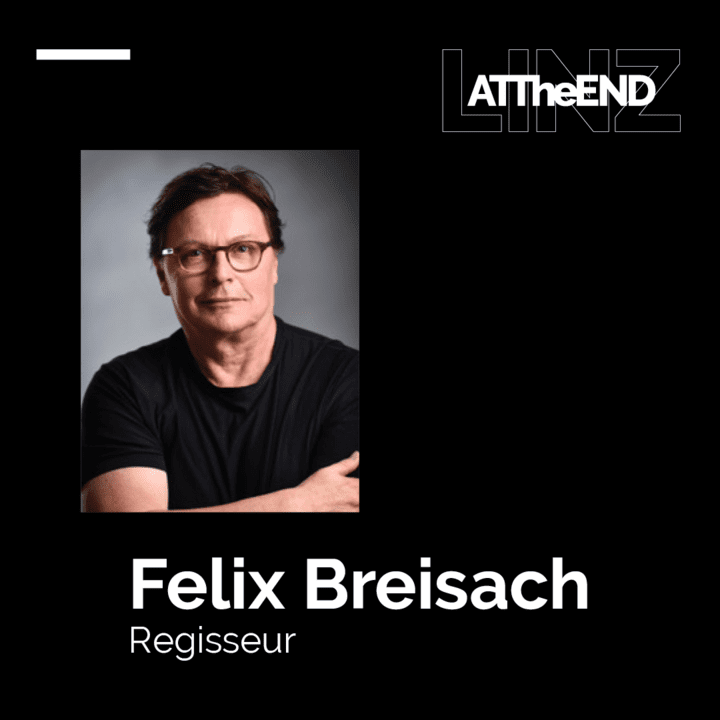
Director Felix Breisach spent around a year working on this ‘sound cloud’. “It wasn’t always easy for me,” he says, looking back. His aim was never to provide solutions or moral lessons, but rather to inspire reflection, a sense of purpose and empathy. Right up until the very end, it remained unclear to him how much of what he had imagined in his mind over the course of a year could actually be translated into reality and would resonate with the audience. After the performance and a thunderous final round of applause, he sums up with satisfaction: “The greatest joy is that so much of it really did turn out just as I had dreamt it would.”
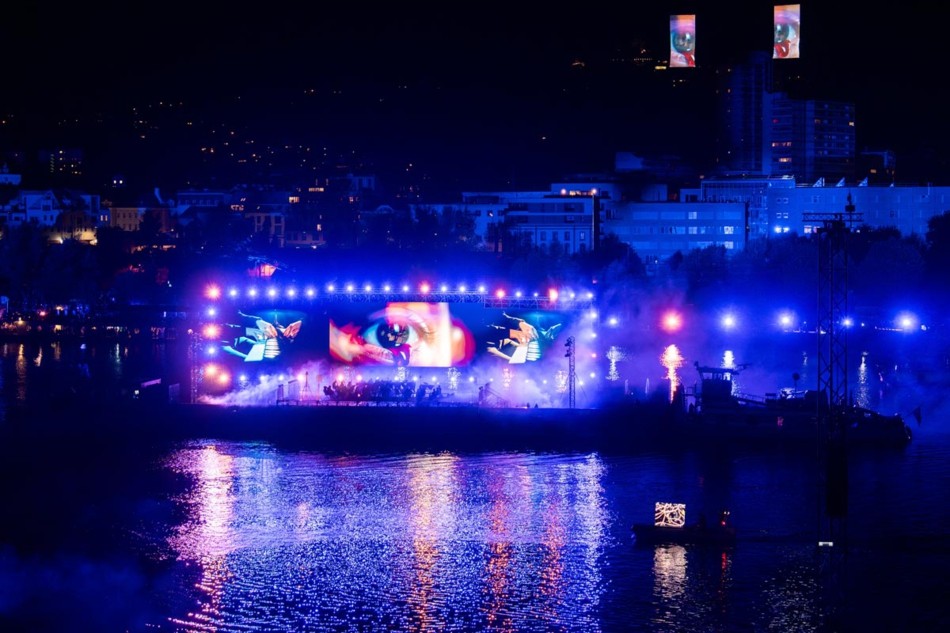
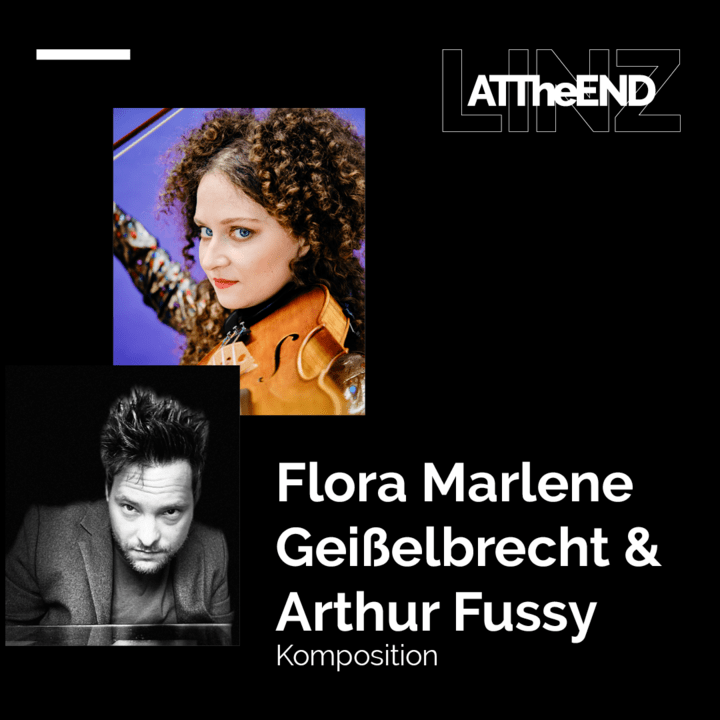
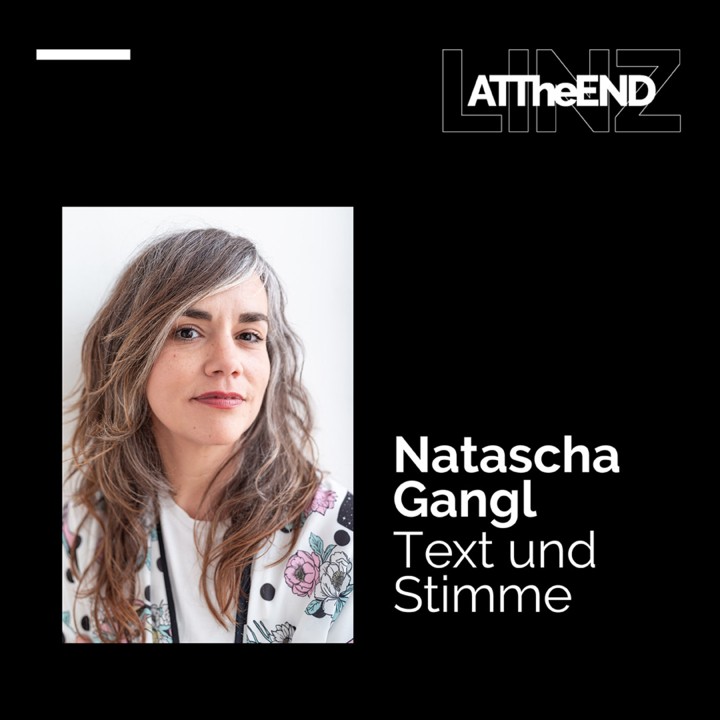
Breisach did not, however, allow Linz to sink completely into oblivion, but also sketched out a new beginning: the first green shoots sprouted from encrusted, parched landscapes. Flowers grew from thorns. Images of blood flowing through veins, of bees in flight and blossoming trees spoke of the chance for a fresh start. Bachmann Prize winner Natascha Gangl recited her texts, letting them float across the Danube, accompanied by compositions by Flora Geißelbrecht and sounds by Arthur Fussy. The writer was overwhelmed by the final result of the overall composition: “I found it a very sensory and also encouraging experience, one that shows how different forms of expression can flow together in perfect harmony. And that is particularly lovely to see, given all the dystopia that surrounds us: how a shared resonance can sound and what being together can look like.”
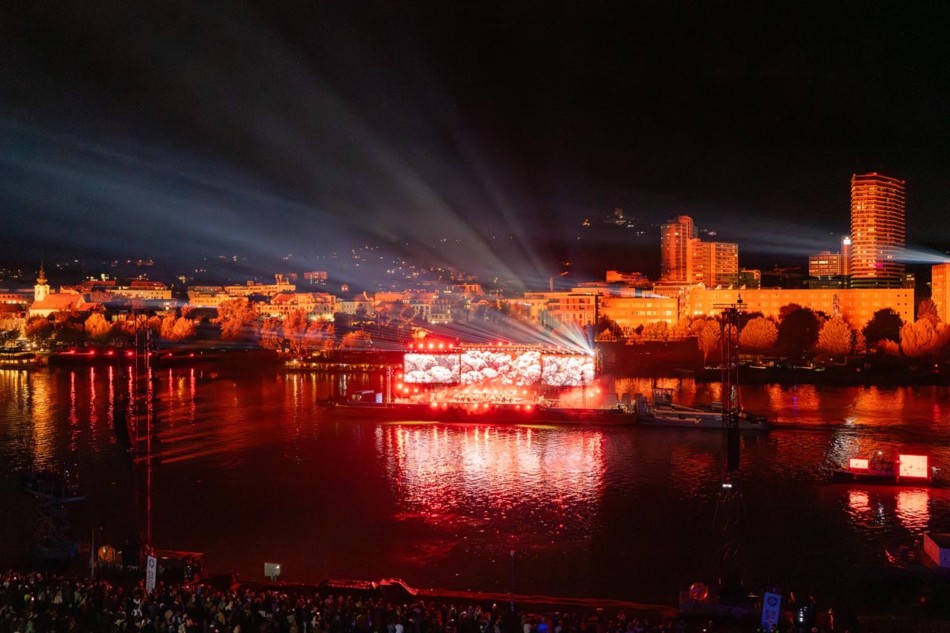
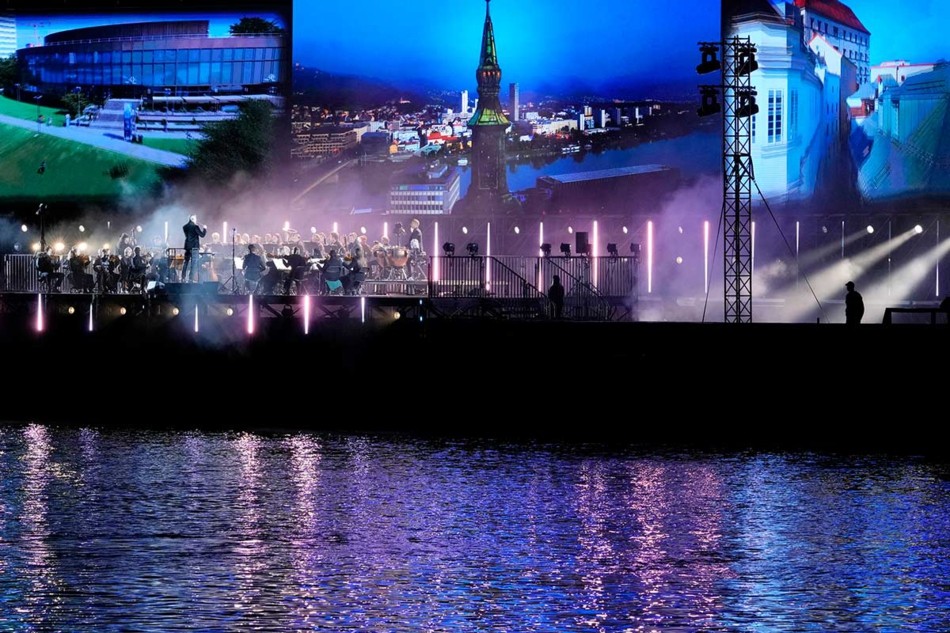
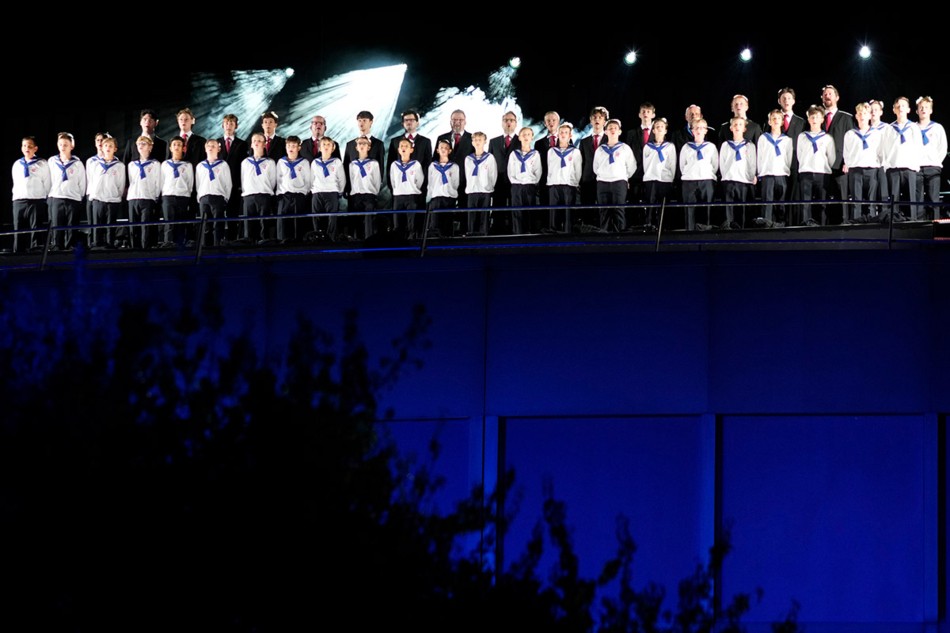
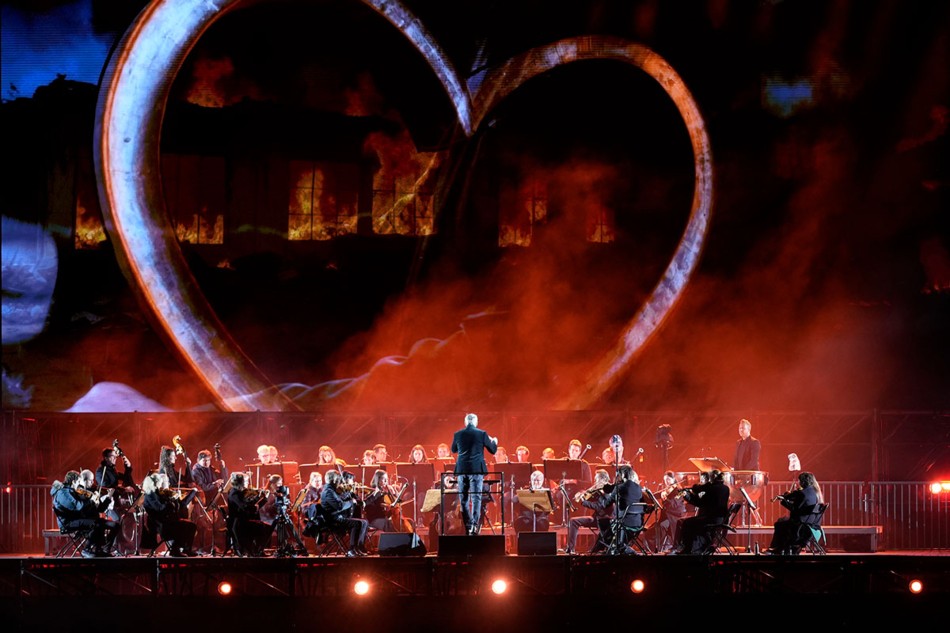
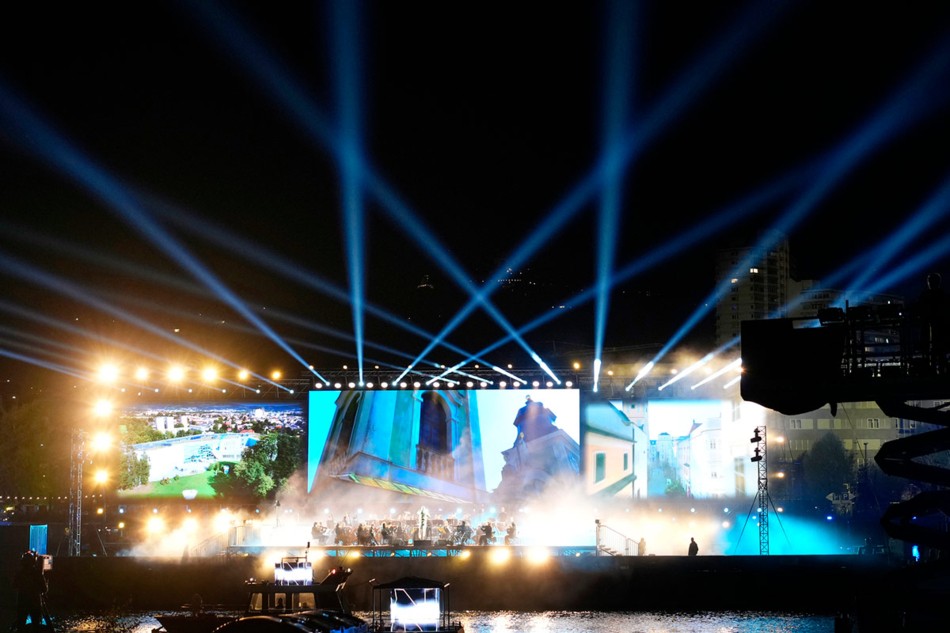
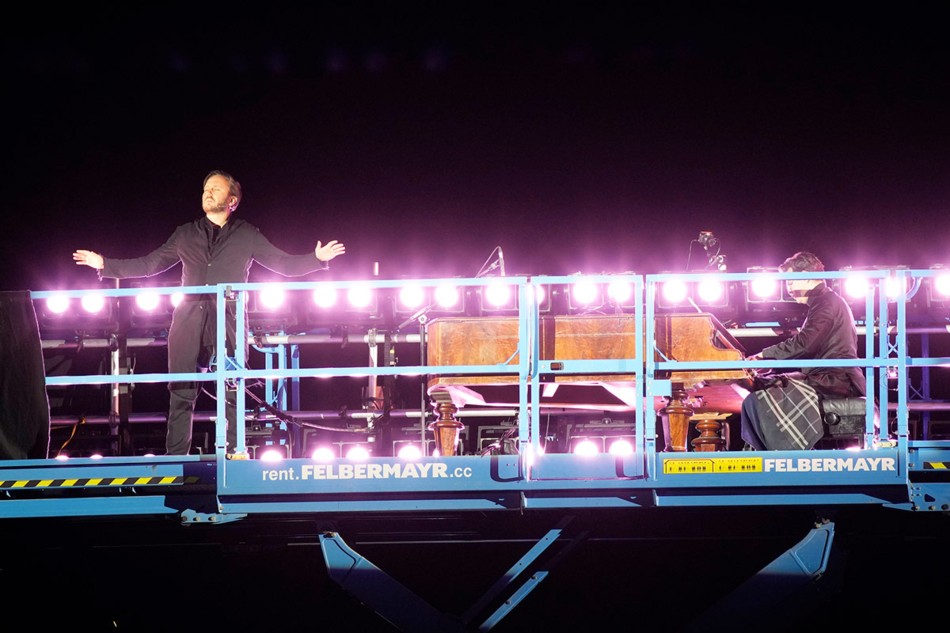
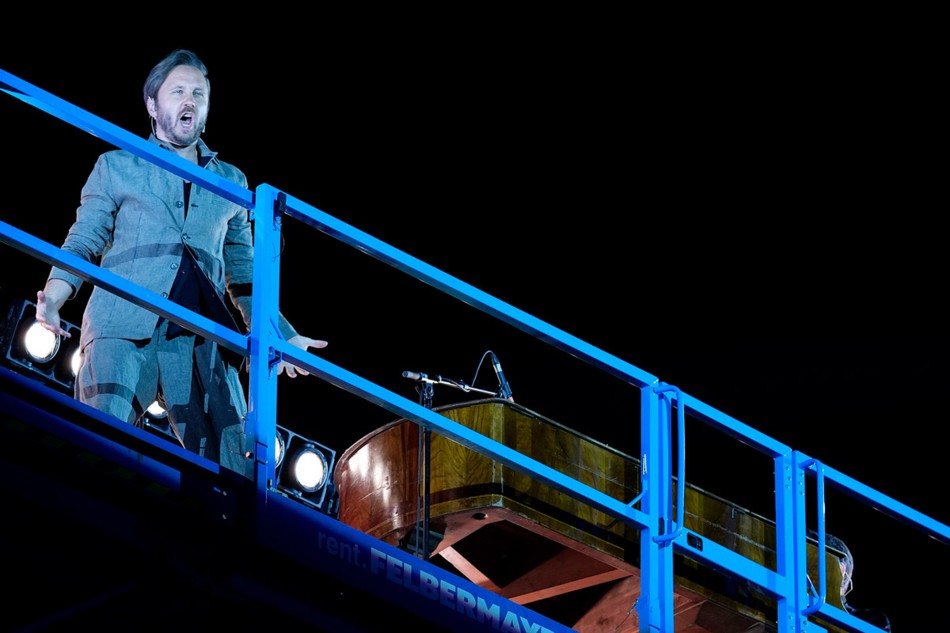
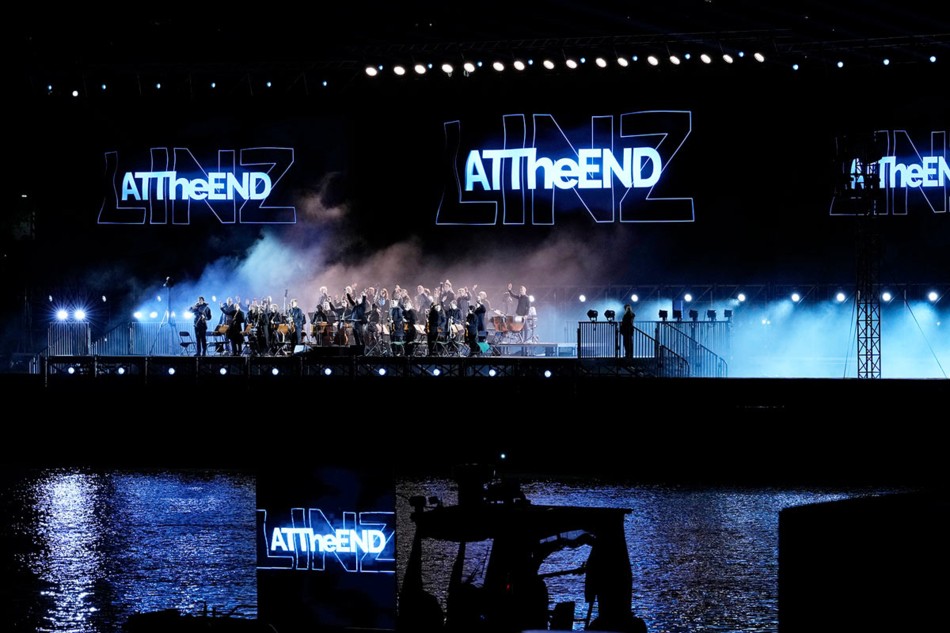
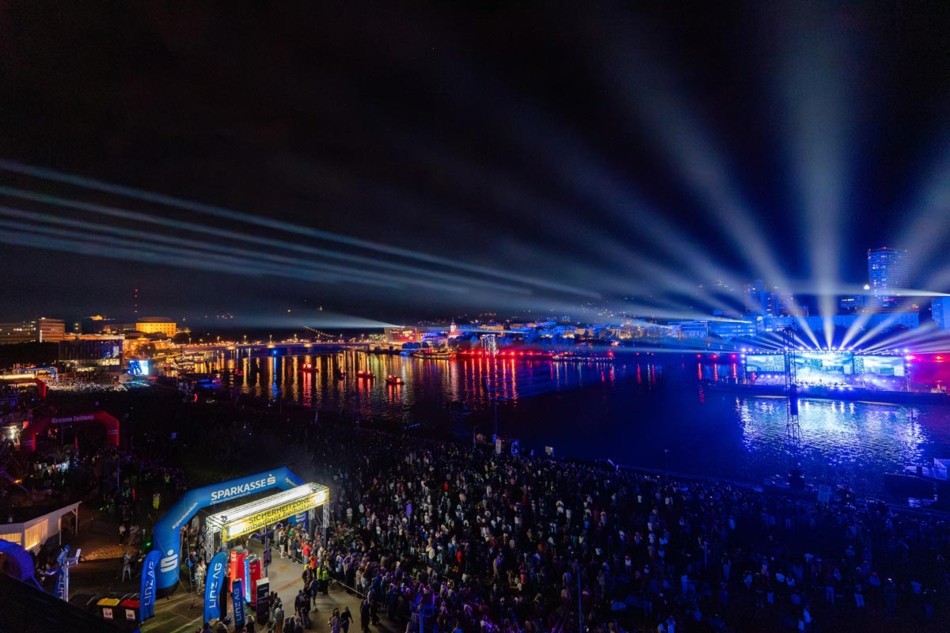
Norbert Trawöger, the artistic director of the Brucknerhaus, sees this shared experience as the very essence and the great ray of hope of the evening: “The mere fact that so many people come together for an artistic event is, for me, hope in itself. When we gather around the intangible, from all corners of society, then that is no longer hope, but reality.” He was particularly delighted that at this year’s Linz Klangwolke 26 ATTheENDLinz, presented by SPARKASSE OÖ and LINZ AG, the focus was on sound itself: a challenging programme featuring works ranging from Frank Martin to Richard Strauss and the Beatles, right through to Anton Bruckner. For the Bruckner Orchestra Linz, its impressive Klangwolke performance was about bringing Bruckner’s legacy to life. Markus Poschner was thrilled by the interplay between Breisach’s staging and the big questions Bruckner asked himself: “How do we want to live? Where do we live? What does nature mean? Upper Austrian nature in particular was an incredibly important theme and source of inspiration for Bruckner. And of course that fits wonderfully with the water, as it does today on the Danube.”
As baritone Rafael Fingerlos, accompanied on the piano by Marcus Merkel, began to sing ‘Morgen’ by Richard Strauss from a lifting platform high above the floor, a member of the audience was heard to say: ‘Now comes hope.’ In the end, all the images of horror were dismantled, a new Big Bang began, and new people appeared. For director Breisach, it is clear where the next step must come from: “The only chance we have is to change it ourselves. It’s in our hands. We are society. We can be the good ones.”
Thank you to everyone who joined us at the Donaulände for this special evening – who marvelled, listened and helped make ATTheENDLinz the very essence of Klangwolke 26 in Linz, presented by SPARKASSE OÖ and LINZ AG: a shared experience for the whole city.
ATTheENDLinz, was broadcast live on ORF Radio OÖ and on ORF ON.
For anyone who missed it, ATTheENDLinz can be viewed on the Brucknerhaus-Website , as well as on ORF ON and on TV1.
Klangwolke 26 Linz, presented by SPARKASSE OÖ and LINZ AG, will be broadcast again in full on TV1on Wednesday 16 September and Saturday 19 September, both at 8.00 pm – online at: https://tv1.nachrichten.at/live.
Figures, data, facts
State-of-the-art technology The use of LEDs and modern technology ensures significantly lower electricity consumption and reduced transport costs Only LED and laser spotlights are used for lighting. This has enabled a significant reduction in electricity consumption. The technology used in this area therefore meets the requirements for eco-labelling certification. |
| Music by Anton Bruckner Musicians / Contributors Bruckner Orchester Linz / Markus Poschner Text and Word | Natascha Gangl Concept and direction | Felix Breisach Artistic Director Brucknerhaus/LIVA | Norbert Trawöger as well as the entire team at the Brucknerhaus and LIVA |
The first Klangwolken week also drew to a close on Saturday with ATTheENDLinz. From 7 to 11 September, the programme, held at various venues across Linz, explored themes of finitude, social crises and the question of a new beginning.
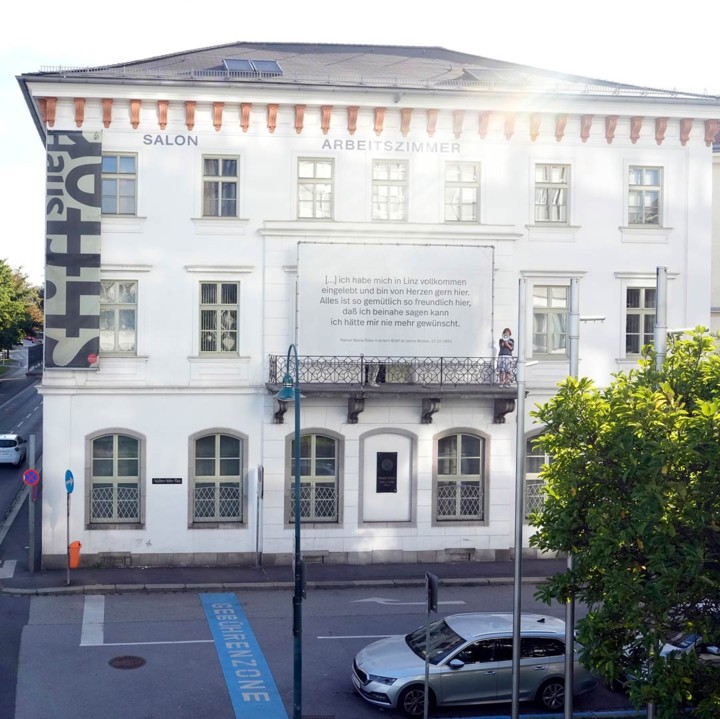
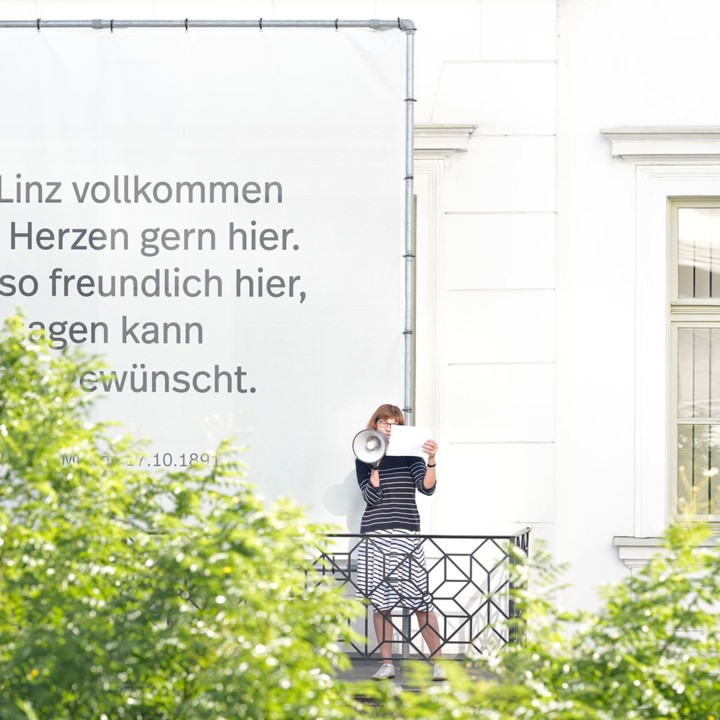
The exhibition Letzte Dinge in the former ticket hall of the Brucknerhaus invited visitors to bring along personal mementoes and to admire treasures from the venue’s archive. Twice a day, the StifterHaus presented the reading series Adalbert Stifter and Finitude, reading passages from Stifter’s A Walk Through the Catacombs to the audience from the balcony. As part of the SPARKASSE OÖ programme, the sustainability films Smoke and Mirrors and Entangled Atlas were screened.
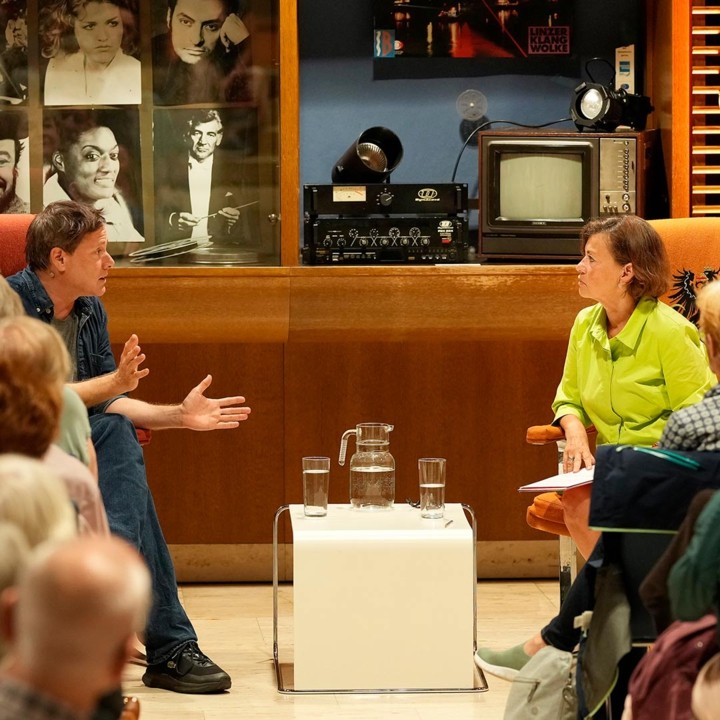
Among the highlights of Klangwolken Week were undoubtedly Renata Schmidtkunz’s conversation with Milo Rau, artistic director of the Vienna Festival, at the Brucknerhaus, as well as the SoundPark, organised in collaboration with Ars Electronica, which transformed the area along the Danube between Lentos and the Brucknerhaus into a stage for sound. Furthermore, Flood the Zone with Courage, a participatory art event on Linz’s Hauptplatz, invited visitors to get involved and join in the discussion.
What began with the Klassische Klangwolke, presented by SPARKASSE OÖ and LINZ AG, which began on 4 September – when Riccardo Chailly and the Filarmonica della Scala, together with pianist Alexander Malofeev, thrilled an audience of around a hundred in the Donaupark and in the Great Hall of the Brucknerhaus – was continued with great success the following Sunday with the children’s Klangwolke ‘Sun & Bun’ in search of happiness, presented by SPARKASSE OÖ and LINZ AG, and came to a spectacular conclusion with the performance by ATTheENDLinz in Donaupark, which also marked the end of the ‘Klangwolken 26’ series, presented by SPARKASSE OÖ and LINZ AG.
You can find the full programme for Klangwolken Week here: Klangwolkenwoche
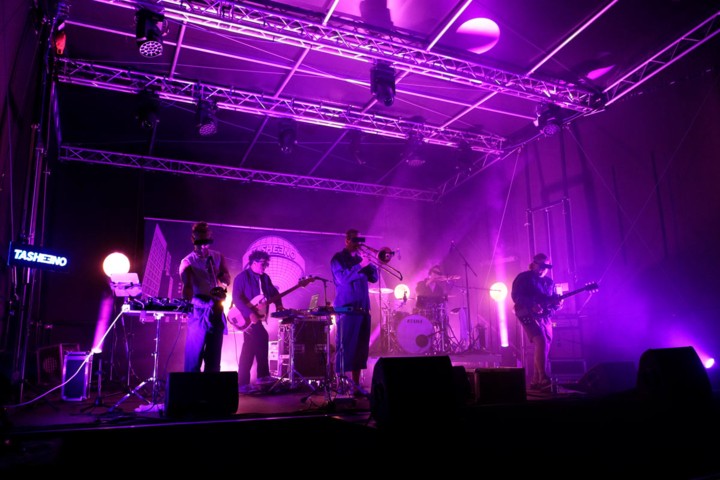
Following on from the Klangwolke 26 festival Linz, presented by Sparkasse OÖ and LINZ AG, the action continued at the LINZ AG Nachklangwolke in Donaupark: TASHEENO brought club sounds from all over the world to the stage with an open-ended genre crossover of dance, dub and technoid grooves. Repetitive, hypnotic and driving, drums, bass, synthesiser, guitar and brass fused into a dense sound that straddled the line between live band and electronic music. Wearing their distinctive censor-bar glasses, the four musicians focused attention on the shared moment and, above all, on one thing – the music.